Introduction to Engineered Wood Parquet:
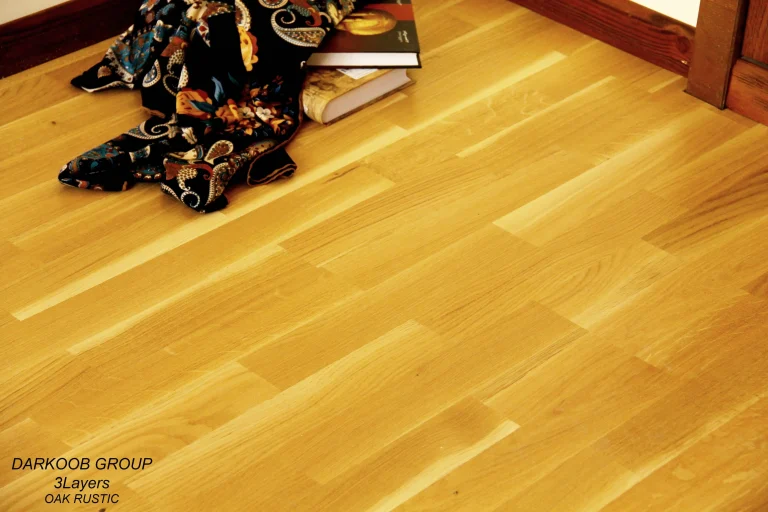
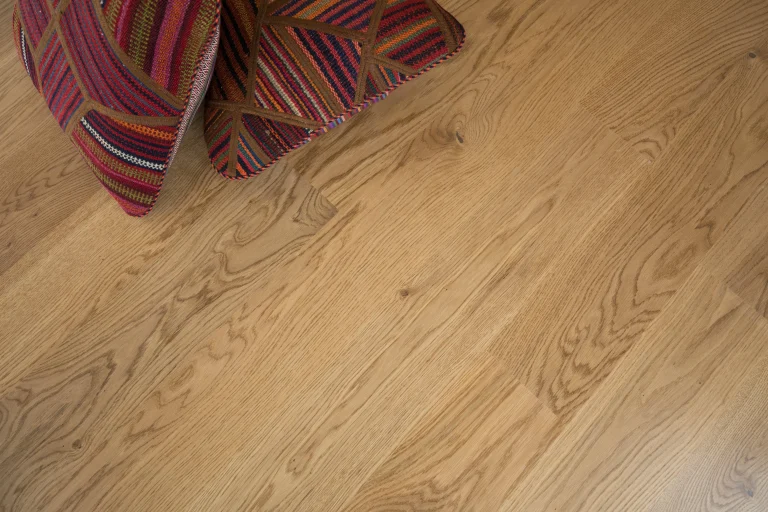
Engineered parquet is one of the most popular flooring types today. This type of flooring has gained a prestigious position in interior design due to its multiple advantages, such as being removable and reinstallable, easy to clean without chemical cleaners, and more. The lower layer of engineered parquet consists of several layers of oak or maple wood, adding a touch of luxury and smoothness to the space.
Another advantage of engineered parquet is its lower cost compared to solid parquet. This is because engineered wood flooring consists of two or more layers, allowing the lower layers to be made from less expensive wood while the outer layers are made from more expensive wood. To maintain the strength and stability of the boards, each layer of this type of flooring is placed at a 90-degree angle to the layer below.
This type of parquet consists of at least two or three layers of wood, precisely and expertly compressed together. This feature makes it more durable and provides better resistance to cold and heat compared to other types of parquet. Among the advantages of this parquet’s layered structure is its resistance to bending, warping, and other issues.
On the other hand, due to the construction characteristics of engineered wood parquet, this type of parquet can be produced in much larger sizes than solid parquet.
Since this type of flooring is produced in tile form, it can be easily installed and produced in different designs and sizes, which is one of the most important advantages of engineered parquet.
Luxury Foreign Engineered Parquet Products
Key Points About Engineered Wood Parquet:
Although the initial purchase and installation of engineered exterior flooring is more expensive than similar products, considering other criteria, it can be considered economical flooring. Factors that make this type of flooring economical include:
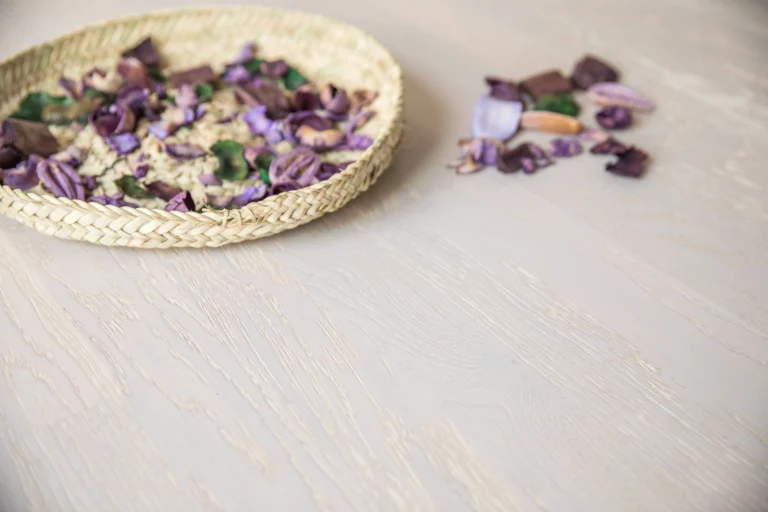
Ability to meet various tastes thanks to diverse designs and colors of the top layer of parquet.
Easy cleaning of engineered parquet, even when using adhesive or cleaning liquid when needed.
Easy installation of engineered parquet at low cost using two methods: 1) Glue and 2) Foam.
Possibility of removal and reinstallation when using foam.
Easy maintenance compared to other flooring types.
Possibility of using underfloor heating system.
No need for painting after installing engineered wood parquet.
Minimum 10-year warranty.
Easy repair and replacement.
Limitations of Engineered Wood Parquet:
High humidity and water contact can deteriorate the texture of engineered wood flooring. To avoid this issue, it’s recommended to avoid installing exterior engineered wood flooring in places like bathrooms, toilets, kitchens, and other areas that may be exposed to water and moisture. If installing engineered wood flooring in such conditions is unavoidable, it’s best to dry the wood surface immediately.
Factors Affecting Engineered Parquet Price:
This type of flooring covers a wide range of prices due to its great variety. Factors affecting engineered parquet price include:
Parquet implementation technique
Number of parquet layers
Variety of top layer designs
Type of wood used in each layer
Variety of manufacturing companies
Surface shape (strip, regular, etc.)
Quality and thickness of the top surface or wear layer (engineered parquet)
Classification of Engineered Parquet:
Engineered parquet flooring is divided into three categories based on factors such as wood type, thickness, number of layers, wear layer thickness, and warranty period:
Economic Engineered Parquet
This type of wood flooring consists of three exterior layers, with the top layer (wear layer) thickness ranging between 1 and 2 mm. This category of parquet flooring is typically made from oak or ash wood. The total thickness of parquet in this category is 10.41 cm, and it usually comes with a warranty of 10 to 15 years.
Luxury Engineered Parquet
These floors are typically made from woods such as cherry and beech. The total thickness of the parquet, like the previous category, is 10.41 cm, and it comes with a warranty of 15 to 25 years.
Ultra-Luxury Engineered Wood Parquet
Parquet types in this category consist of 7 to 9 layers, with a top layer thickness exceeding 3 mm.
Importance of Wear Layer in Engineered Wood Parquet:
The wear resistance of engineered wood parquet is determined by the top layer, varnish, and manufacturer’s standard. The higher the wear layer resistance, the higher the overall wood flooring resistance to wear. This layer’s resistance is affected by wood hardness. The basic wood design also plays an important role in this resistance. For example, using woods with simpler designs, such as maple, makes the wood texture more visible in the wear layer.
While woods like oak, due to their multiple designs, show less texture. In general, it should be noted that the appearance of the top layer significantly affects the overall appearance of the flooring.
On the other hand, the repairability of engineered wood parquet also depends on the thickness of the wear layer. The minimum thickness of this layer is estimated at 2 mm, allowing for one-time sanding.
The thicker the wear layer, the more times it can be sanded or coated. For example, a 3 mm wear layer can be polished twice.
Determining Engineered Parquet Quality:
When purchasing exterior engineered parquet, quality is more important than appearance. When evaluating exterior wood flooring quality, it’s essential to pay more attention to the internal layers. Using appropriate raw materials ensures the parquet layers won’t stress, and the parquet shows good resistance to external factors like moisture.
Final Word
Our goal in preparing and presenting this article is to introduce you to types of engineered wood parquet. In this article, we tried to examine the features, advantages, disadvantages, and key points for choosing the type of parquet. We hope we have helped you make the optimal and most suitable decision.
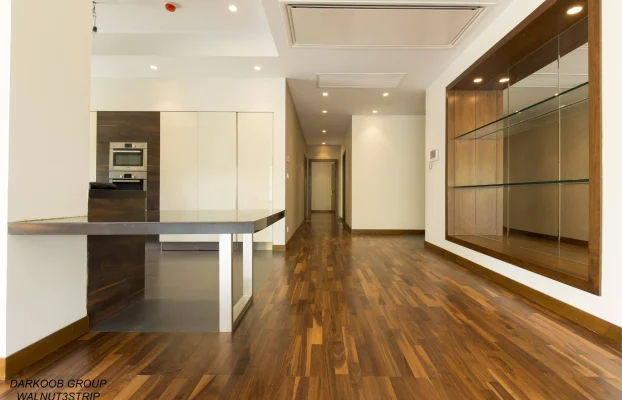
Darkoob Company has been committed to providing its audience with a variety of foreign engineered parquet of the best quality and most durable raw materials, leveraging its engineering expertise. These parquets are made from ash, oak, walnut, beech, and maple wood, with a wide range of patterns and colors, in the latest European factories, and are exclusively imported by Darkoob Company. Our rich history is proof of this. We also enter the field of consultation and service provision according to our clients’ real needs to provide you with an unforgettable experience.